
Xiaomi Redmi K80 Ultra vs Xiaomi Redmi Note 10S
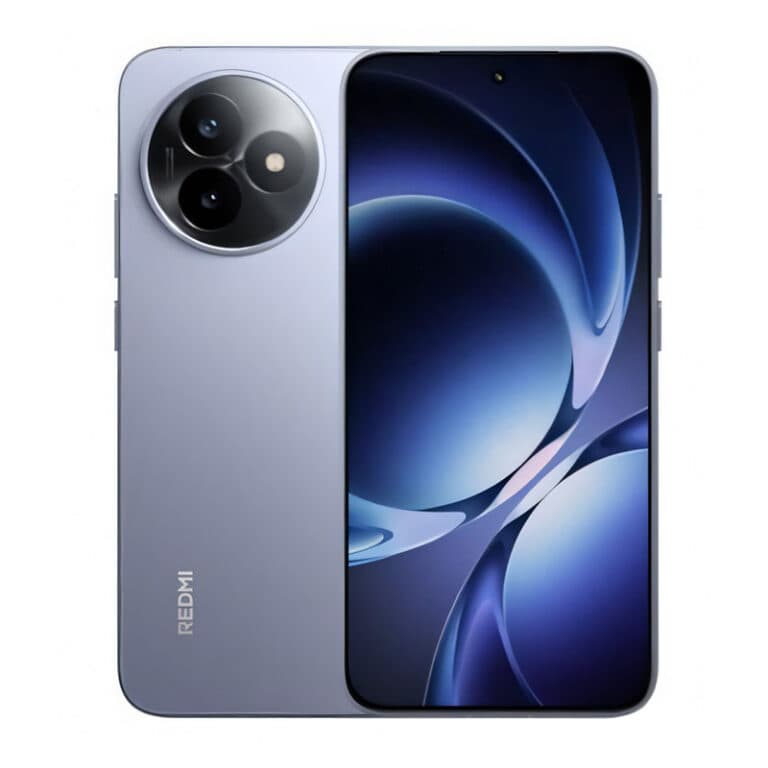
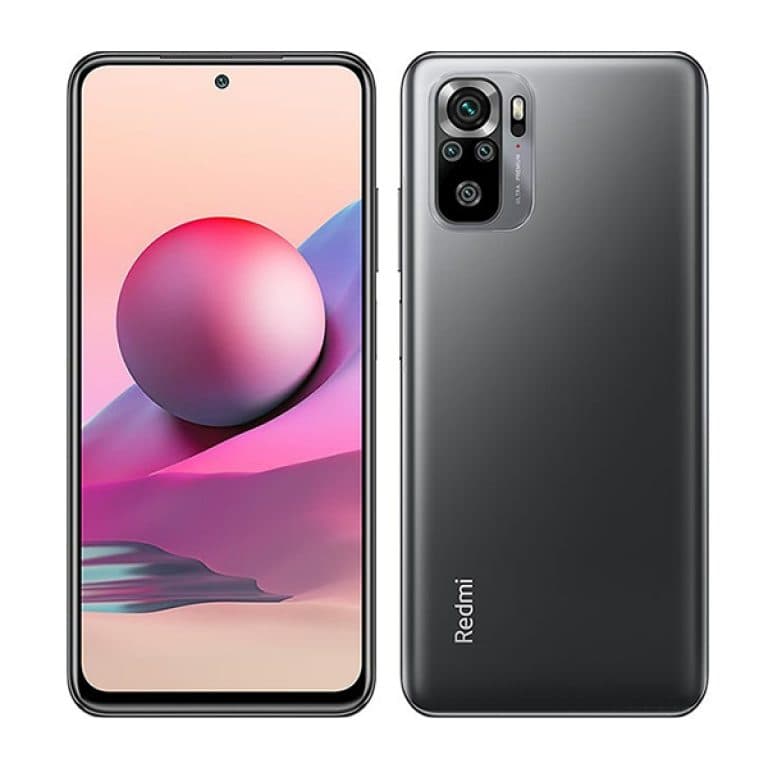
Comparing 2 products
Basic Information
General Overview
Device Type
Bar
Bar
Model
Redmi K80 Ultra
Redmi Note 10S
Announced
2025, June 26
2021, March
Released
2025, June 26
2021, March
Status
Available
Available
Design
Type
Bar
Bar
Dimensions
163.1 x 77.9 x 8.2 mm (6.42 x 3.07 x 0.32 in)
160.5 x 74.5 x 8.3 mm (6.32 x 2.93 x 0.33 in)
Weight
219 g (7.72 oz)
178.8 g (6.31 oz)
Protection
Glass front, aluminum frame
IP53, dust and splash protection
Colors
Gray, White, Blue, Green
Ocean Blue, Onyx Gray, Pebble White
Network
2G Network
Yes
Yes
3G Network
Yes
Yes
4G Network
Yes
Yes
5G Network
Yes
No
SIM
Nano SIM
Nano SIM
Dual SIM
Nano-SIM + Nano-SIM
Yes, Dual SIM (Nano-SIM, dual stand-by)
Display
Display Type
OLED
Super AMOLED
Size
6.83 inches, 114.5 cm2 (~90.2% screen-to-body ratio)
6.43 inches, 99.8 cm2 (~83.5% screen-to-body ratio)
Resolution
1280 x 2772 pixels, 19.5:9 ratio
1080 x 2400 pixels
Display Colors
1 Billion+
16M colors
Pixel Density
447 ppi density
409 ppi density
Touch Screen
Yes
Capacitive Touchscreen
Display Protection
Scratch/drop-resistant glass
Corning Gorilla Glass 3
Features
144Hz, Dolby Vision, HDR10+, HDR Vivid, 1800 nits (HBM), 3200 nits (peak)
450 nits (typ)
1100 nits (peak)
Media
FM Radio
Unspecified
Unspecified
Earphone Jack
No
Yes
Camera
Camera Set
Dual Cameras
Quad Cameras
Main Camera
50 MP, f/1.9, 23mm (wide), 1/1.55", 1.0µm, PDAF, OIS
64 MP, f/1.8, 26mm (wide), 1/2.0", 0.8µm, PDAF
2nd Camera
8 MP, 119˚ (ultrawide), 1/4.0", 1.12µm
8 MP, f/2.2, 118˚ (ultrawide), 1/4.0", 1.12µm
Camera Video
8K@30fps, 4K@30/60fps, 1080p@30/60/120/240/960fps, gyro-EIS
4K@30fps, 1080p@30/60/120fps, 720p@960fps
Features
Color spectrum sensor, HDR, panorama
HDR, panorama
Flash
Dual-LED dual-tone flash
LED Flash
Selfie Set
Single Camera
Single Camera
Selfie Camera
20 MP, (wide), 1/2.0
13 MP, f/2.5, (wide), 1/3.06", 1.12µm
Selfie Video
1080p@30/60fps
1080p@30fps
Features
HDR
HDR
3rd Camera
-
2 MP, f/2.4, (macro)
4th Camera
-
2 MP, f/2.4, (depth)
Software
OS
Android 15
Android 11
User Interface
HyperOS 2
MIUI 12
Hardware
Chipset
Mediatek Dimensity 9400+ (3 nm)
Mediatek Helio G95 (12 nm)
CPU
Octa-core (1x3.63 GHz Cortex-X925 & 3x3.3 GHz Cortex-X4 & 4x2.4 GHz Cortex-A720)
Octa-core (2x2.05 GHz Cortex-A76 & 6x2.0 GHz Cortex-A55)
GPU
Immortalis-G925
Mali-G76 MC4
RAM
12/16 GB
6/8 GB
Internal Storage
256GB/512GB/1TB
64/128 GB
Card Slot
No
Yes microSD (dedicated slot)
Sensors
Fingerprint (under display, ultrasonic), accelerometer, gyro, proximity, compass
Fingerprint (side-mounted), accelerometer, gyro, proximity, compass
Connectivity
Bluetooth
5.4, A2DP, LE, LHDC 5
5.0, A2DP, LE
Wi-fi
Wi-Fi 802.11 a/b/g/n/ac/6/7, dual-band, Wi-Fi Direct
Wi-Fi 802.11 a/b/g/n/ac, dual-band, Wi-Fi Direct
Wi-fi Hotspot
Yes
Yes
USB
USB Type-C
USB Type-C 2.0
GPS
GPS (L1+L5), BDS (B1I+B1C+B2a+B2b), GALILEO (E1+E5a+E5b), QZSS (L1+L5), NavIC, GLONASS
Yes, with A-GPS, GLONASS, GALILEO, BDS
NFC
Yes
Yes
Wireless Charging
No
-
Data
GPRS
Yes
Yes
EDGE
Yes
Yes
Speed
HSPA, LTE, 5G
HSPA 42.2/5.76 Mbps, LTE-A (CA)
Battery
Battery Type
Li-Ion (Lithium Ion)
Li-Poly (Lithium Polymer)
Capacity
7410 mAh, Battery
5000 mAh, Battery
Placement
Non-removable
Non-removable
Fast Charging
100W wired, PD3.0 / Bypass charging
Yes, 33W