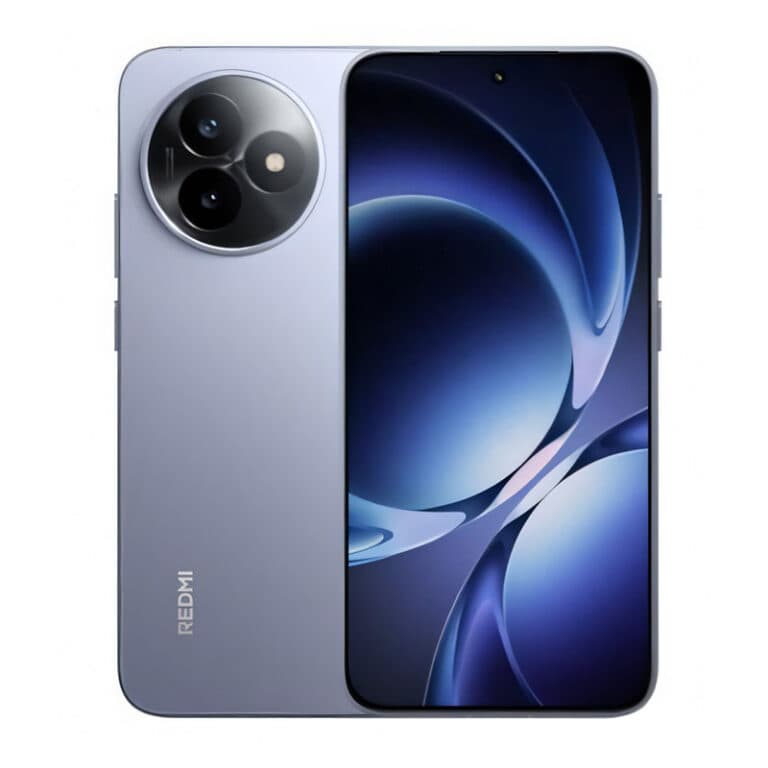
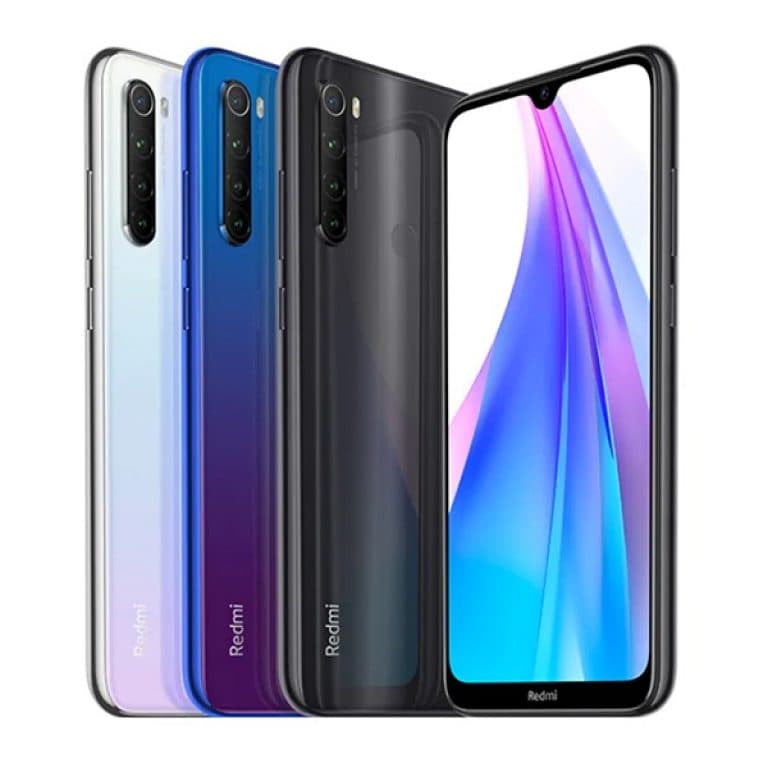
Xiaomi Redmi K80 Ultra vs Xiaomi Redmi Note 8T
Comparing 2 products
| General Overview | ||
| Device Type | Bar | Bar |
| Model | Redmi K80 Ultra | Redmi Note 8T |
| Announced | 2025, June 26 | 2019, November |
| Released | 2025, June 26 | 2019, November |
| Status | Available | Available |
| Design | ||
| Type | Bar | Bar |
| Dimensions | 163.1 x 77.9 x 8.2 mm (6.42 x 3.07 x 0.32 in) | 161.1 x 75.4 x 8.6 mm (6.34 x 2.97 x 0.34 in) |
| Weight | 219 g (7.72 oz) | 200 g (7.05 oz) |
| Protection | Glass front, aluminum frame | Front/back glass (Gorilla Glass 5) |
| Colors | Gray, White, Blue, Green | Stellar blue, Moon white, Midnight gray |
| Network | ||
| 2G Network | Yes | GSM 850 / 900 / 1800 / 1900 - SIM 1 & SIM 2 |
| 3G Network | Yes | HSDPA 850 / 900 / 1700(AWS) / 1900 / 2100 |
| 4G Network | Yes | LTE band 1(2100), 2(1900), 3(1800), 4(1700/2100), 5(850), 7(2600), 8(900), 20(800), 28(700), 38(2600), 40(2300) |
| 5G Network | Yes | - |
| SIM | Nano SIM | Nano SIM |
| Dual SIM | Nano-SIM + Nano-SIM | Yes, Dual SIM (Nano-SIM, dual stand-by) |
| Display | ||
| Display Type | OLED | IPS LCD |
| Size | 6.83 inches, 114.5 cm2 (~90.2% screen-to-body ratio) | 6.3 inches, 97.4 cm2 (~80.2% screen-to-body ratio) |
| Resolution | 1280 x 2772 pixels, 19.5:9 ratio | 1080 x 2340 pixels |
| Display Colors | 1 Billion+ | 16M colors |
| Pixel Density | 447 ppi density | 409 ppi density |
| Touch Screen | Yes | Capacitive Touchscreen |
| Display Protection | Scratch/drop-resistant glass | Corning Gorilla Glass 5 |
| Features | 144Hz, Dolby Vision, HDR10+, HDR Vivid, 1800 nits (HBM), 3200 nits (peak) | - |
| Media | ||
| FM Radio | Unspecified | Yes |
| Earphone Jack | No | Yes |
| Camera | ||
| Camera Set | Dual Cameras | Quad Cameras |
| Main Camera | 50 MP, f/1.9, 23mm (wide), 1/1.55", 1.0µm, PDAF, OIS | 48 MP, f/1.8, 26mm (wide), 1/2", 0.8µm, PDAF |
| 2nd Camera | 8 MP, 119˚ (ultrawide), 1/4.0", 1.12µm | 8 MP, f/2.2, 13mm (ultrawide), 1/4", 1.12µm |
| Camera Video | 8K@30fps, 4K@30/60fps, 1080p@30/60/120/240/960fps, gyro-EIS | 2160p@30fps, 1080p@30/60/120fps, gyro-EIS |
| Features | Color spectrum sensor, HDR, panorama | - |
| Flash | Dual-LED dual-tone flash | LED Flash |
| Selfie Set | Single Camera | Single Camera |
| Selfie Camera | 20 MP, (wide), 1/2.0 | 13 MP, f/2.0, 1.12µm |
| Selfie Video | 1080p@30/60fps | 1080p@30fps |
| Features | HDR | - |
| 3rd Camera | - | 2 MP, f/2.4, 1/5", 1.75µm (dedicated macro camera) |
| 4th Camera | - | 2 MP, f/2.4, 1/5", 1.75µm, depth sensor |
| Software | ||
| OS | Android 15 | Android 9.0 (Pie) |
| User Interface | HyperOS 2 | MIUI 10 |
| Hardware | ||
| Chipset | Mediatek Dimensity 9400+ (3 nm) | Qualcomm SDM665 Snapdragon 665 (11 nm) |
| CPU | Octa-core (1x3.63 GHz Cortex-X925 & 3x3.3 GHz Cortex-X4 & 4x2.4 GHz Cortex-A720) | Octa-core (4x2.0 GHz Kryo 260 Gold & 4x1.8 GHz Kryo 260 Silver) |
| GPU | Immortalis-G925 | Adreno 610 |
| RAM | 12/16 GB | 4 GB |
| Internal Storage | 256GB/512GB/1TB | 64/32/128 GB |
| Card Slot | No | microSD, up to 256 GB (dedicated slot) |
| Sensors | Fingerprint (under display, ultrasonic), accelerometer, gyro, proximity, compass | Fingerprint (rear-mounted), accelerometer, gyro, proximity, compass |
| Connectivity | ||
| Bluetooth | 5.4, A2DP, LE, LHDC 5 | 4.2, A2DP, LE |
| Wi-fi | Wi-Fi 802.11 a/b/g/n/ac/6/7, dual-band, Wi-Fi Direct | Wi-Fi 802.11 a/b/g/n/ac, dual-band, Wi-Fi Direct |
| Wi-fi Hotspot | Yes | Yes |
| USB | USB Type-C | 2.0, Type-C 1.0 reversible connector, USB On-The-Go |
| GPS | GPS (L1+L5), BDS (B1I+B1C+B2a+B2b), GALILEO (E1+E5a+E5b), QZSS (L1+L5), NavIC, GLONASS | Yes, with A-GPS, GLONASS, BDS |
| NFC | Yes | Yes |
| Wireless Charging | No | - |
| Data | ||
| GPRS | Yes | Yes |
| EDGE | Yes | Yes |
| Speed | HSPA, LTE, 5G | HSPA 42.2/11.5 Mbps, LTE-A |
| Battery | ||
| Battery Type | Li-Ion (Lithium Ion) | Li-Poly (Lithium Polymer) |
| Capacity | 7410 mAh, Battery | 4000 mAh battery |
| Placement | Non-removable | Non-removable |
| Fast Charging | 100W wired, PD3.0 / Bypass charging | Yes, 18W |