
Xiaomi Redmi K90 Pro Max vs Xiaomi Poco C81 Pro
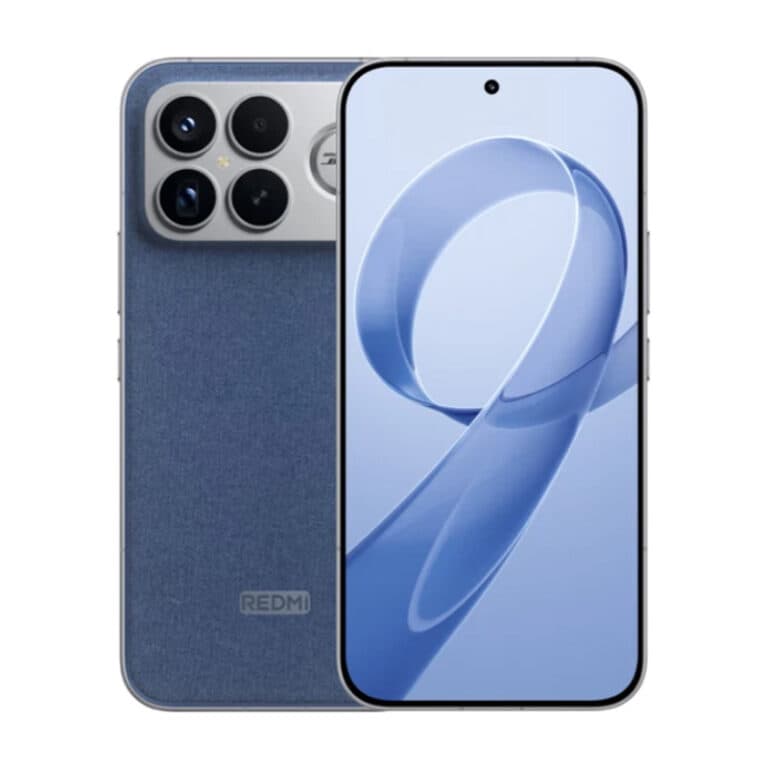

Comparing 2 products
Basic Information
General Overview
Device Type
Bar
Bar
Model
Xiaomi Redmi K90 Pro Max
Xiaomi Poco C81 Pro
Announced
2025, October 23
2026, April 27
Released
2025, October 23
Released 2026, April 27
Status
Available
Available
Estimate Price
About 500 EUR
About 120 EUR
Design
Type
Bar
Bar
Dimensions
163.3 x 77.8 x 7.9 mm (6.43 x 3.06 x 0.31 in)
171.6 x 79.5 x 8.2 mm (6.76 x 3.13 x 0.32 in)
Weight
218 g (7.69 oz)
208 g (7.34 oz)
Protection
Glass front (Dragon Crystal Glass), aluminum frame
Glass front, plastic frame, plastic back
Colors
Black, White, Denim Blue, Lamborgini White
Black, Gold, Green
Network
2G Network
Yes
Yes
3G Network
Yes
Yes
4G Network
Yes
Yes
5G Network
Yes
No
SIM
Nano SIM
Nano SIM
Dual SIM
Nano-SIM + Nano-SIM
Nano-SIM + Nano-SIM
Display
Display Type
AMOLED
IPS LCD
Size
6.9 inches, 116.6 cm2 (~91.8% screen-to-body ratio)
6.9
Resolution
1200 x 2608 pixels, 19.5:9 ratio
720x1600 pixels
Display Colors
1 Billion+
-
Pixel Density
416 ppi density
254 ppi density
Touch Screen
Yes
Yes
Display Protection
Xiaomi Dragon Crystal Glass
-
Features
2560Hz PWM, 120Hz, Dolby Vision, HDR Vivid, HDR10+, 3500 nits (peak)
120Hz, 650 nits (typ), 800 nits (peak)
Media
FM Radio
No
Yes
Earphone Jack
No
Yes
Camera
Camera Set
Triple Cameras
Single Camera
Main Camera
50 MP, f/1.7, 23mm (wide), 1/1.31", 1.2µm, dual pixel PDAF, OIS
13 MP, f/2.2, (wide), 1/3.06
2nd Camera
50 MP, f/3.0, 115mm (periscope telephoto), 1/2.76", 0.64µm, PDAF (30cm - ∞), OIS, 5x optical zoom
-
3rd Camera
50 MP, f/2.4, 18mm, 102˚ (ultrawide), 1/2.88", 0.61µm
-
Camera Video
8K@30fps, 4K@30/60fps, 1080p@30/60/120/240/960fps, 720p@1920fps, gyro-EIS, HDR10+
1080p@30fps
Features
Color spectrum sensor, HDR, panorama
LED flash, HDR
Flash
LED flash
LED flash
Selfie Set
Single Camera
Single Camera
Selfie Camera
32 MP, f/2.2, 21mm (wide), 1/3.44
8 MP, f/2.0, (wide)
Selfie Video
4K@30fps, 1080p@30/60fps
1080p@30fps
Features
-
HDR
Software
OS
Android 16
Android 15, up to 4 major upgrades, HyperOS 3
User Interface
HyperOS 3
HyperOS 3
Hardware
Chipset
Qualcomm SM8850-AC Snapdragon 8 Elite Gen 5 (3 nm)
Unisoc T7250
CPU
Octa-core (2x4.6 GHz Oryon V3 Phoenix L + 6x3.62 GHz Oryon V3 Phoenix M)
Octa-core (2x1.8 GHz Cortex-A75 & 6x1.6 GHz Cortex-A55)
GPU
Adreno 840
Mali-G57 MP1
RAM
12/16 GB
4GB
Internal Storage
256GB/512GB/1TB
64GB/128GB/256GB
Card Slot
No
microSDXC (dedicated slot)
Sensors
Fingerprint (under display, ultrasonic), accelerometer, proximity, gyro, compass
Fingerprint (side-mounted), accelerometer, compass
Connectivity
Bluetooth
5.4, A2DP, LE, LHDC 5.0, ASHA, MIHC
5.2, A2DP, LE
Wi-fi
Wi-Fi 802.11 a/b/g/n/ac/6/7, dual-band, Wi-Fi Direct
Wi-Fi 802.11 a/b/g/n/ac, dual-band
Wi-fi Hotspot
Yes
Yes
USB
USB Type-C 3.2, Display Port, OTG
USB Type-C 2.0
GPS
GPS (L1+L5), BDS (B1I+B1c+B2a), GALILEO (E1+E5a), QZSS (L1+L5), NavIC, GLONASS
GPS, GALILEO, GLONASS, BDS
NFC
Yes
No
Wireless Charging
50W wireless / 22.5W reverse wireless
7.5W reverse wired
Data
GPRS
Yes
Yes
EDGE
Yes
Yes
Speed
HSPA, LTE, 5G
GSM / HSPA / LTE
Battery
Battery Type
Li-Ion (Lithium Ion)
Li-Ion (Lithium Ion)
Capacity
Si/C Li-Ion 7560 mAh
Li-Ion 6000 mAh
Placement
Non-removable
Non-removable
Fast Charging
100W wired, PD3.0, QC3+, 100W PPS
15W wired