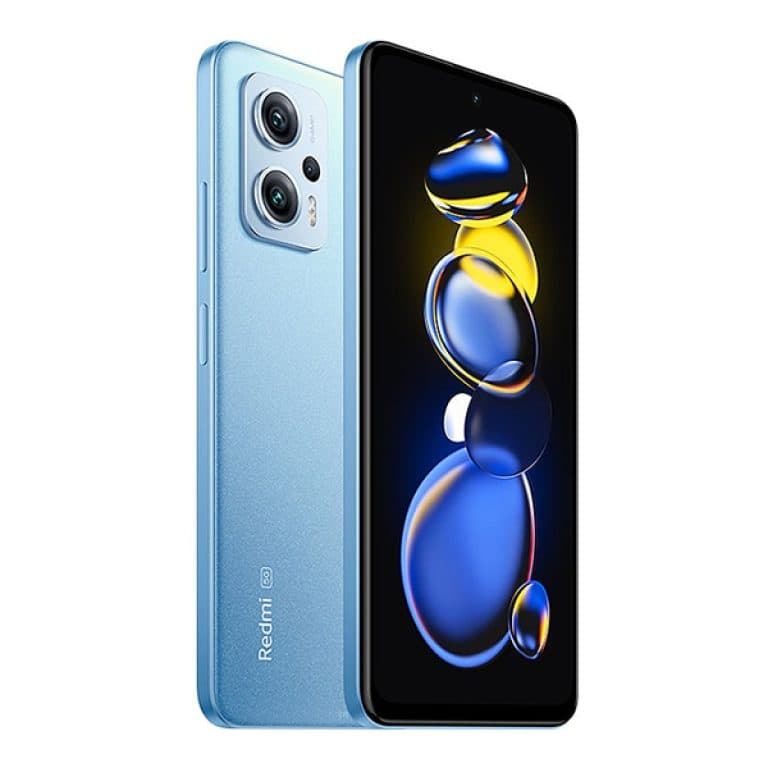
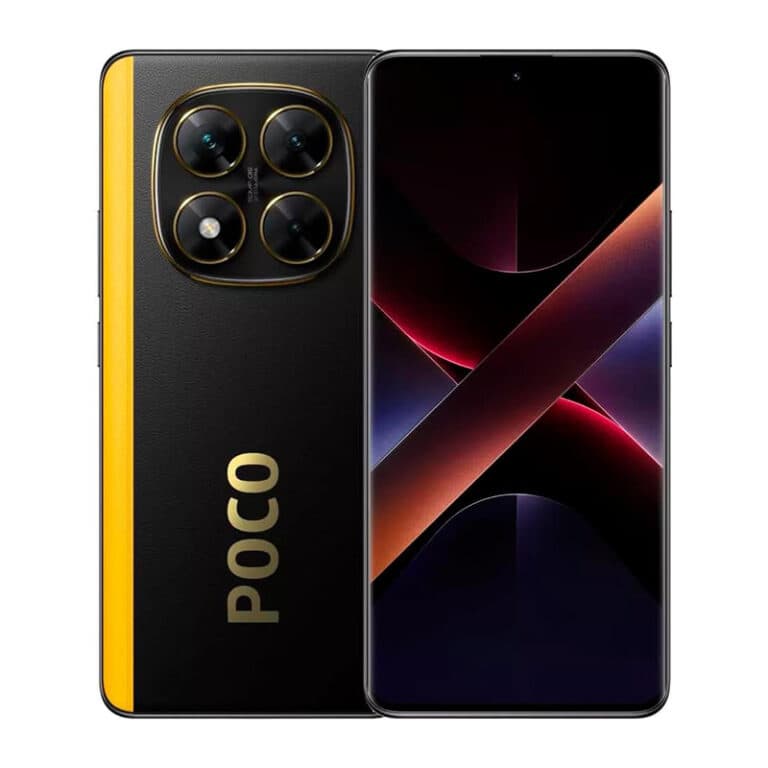
Xiaomi Redmi Note 11T Pro Plus vs Xiaomi Poco X7
Comparing 2 products
| General Overview | ||
| Device Type | Bar | Bar |
| Model | Redmi Note 11T Pro Plus | Xiaomi Poco X7 |
| Announced | 2022, May | 2025, January 09 |
| Released | 2022, May | 2025, January 09 |
| Status | Available | Available |
| Estimate Price | - | $ 282.99 / € 199.00 / £ 158.99 / ₹ 16,999 |
| Design | ||
| Type | Bar | Bar |
| Dimensions | 163.6 x 74.3 x 8.9 mm (6.44 x 2.93 x 0.35 in) | 162.3 x 74.4 x 8.4 mm or 8.6 mm |
| Weight | 198 g (6.98 oz) | 185.5 g or 190 g (6.70 oz) |
| Protection | IP53, dust and splash resistant | IP68 dust tight and water resistant (immersible up to 1.5m for 30 min) IP69 (market/region dependent) |
| Colors | Blue, Silver, Black | Black, Green, Silver |
| Network | ||
| 2G Network | Yes | Yes |
| 3G Network | Yes | Yes |
| 4G Network | Yes | Yes |
| 5G Network | Yes | Yes |
| SIM | Nano SIM | Nano SIM |
| Dual SIM | Yes, Dual SIM (Nano-SIM, dual stand-by) | Nano-SIM + Nano-SIM + eSIM (max 2 at a time)· Nano-SIM + Nano-SIM |
| Display | ||
| Display Type | IPS LCD | AMOLED |
| Size | 6.6 inches, 103.4 cm2 (~85.1% screen-to-body ratio) | 6.67 inches, 107.4 cm2 (~88.9% screen-to-body ratio) |
| Resolution | 1080 x 2460 pixels | 1220 x 2712 pixels, 20:9 ratio (~446 ppi density) |
| Display Colors | 16M colors or more | 68B colors+ |
| Pixel Density | 407 ppi density | 446 ppi density |
| Touch Screen | Yes | Yes |
| Features | 144Hz, HDR10, Dolby Vision, 650 nits (typ) | 120Hz, 1920Hz PWM, HDR10+, Dolby Vision, 1200 nits (HBM), 3000 nits (peak) |
| Display Protection | - | Corning Gorilla Glass Victus 2, Mohs level 5 |
| Media | ||
| FM Radio | No | No |
| Earphone Jack | Yes | No |
| Camera | ||
| Camera Set | Triple Cameras | Triple Cameras |
| Main Camera | 64 MP, (wide), 1/1.72", 0.8µm, PDAF | 50 MP, f/1.5, 26mm (wide), 1/1.95 |
| 2nd Camera | 8 MP, 120˚, (ultrawide) | 8 MP, f/2.2, 15mm, 120˚ (ultrawide), 1/4.0 |
| 3rd Camera | 2 MP, (macro) | 2 MP (macro) |
| Camera Video | 4K@30fps, 1080p@30/60/120fps, 720p@960fps | 4K@24/30fps, 1080p@30/60/120fps, gyro-EIS, OIS |
| Features | HDR, panorama | HDR, panorama |
| Flash | LED Flash | LED flash |
| Selfie Set | Single Camera | Single Camera |
| Selfie Camera | 16 MP, (wide) | 20 MP, f/2.2, 25mm (wide), 1/4.0 |
| Selfie Video | 1080p@30/60fps | 1080p@30/60fps |
| Software | ||
| OS | Android 12 | Android 14 |
| User Interface | MIUI 13 | HyperOS |
| Hardware | ||
| Chipset | MediaTek Dimensity 8100 (5 nm) | Mediatek Dimensity 7300 Ultra (4 nm) |
| CPU | Octa-core (4x2.85 GHz Cortex-A78 & 4x2.0 GHz Cortex-A55) | Octa-core (4x2.5 GHz Cortex-A78 & 4x2.0 GHz Cortex-A55) |
| GPU | Mali-G610 MC6 | Mali-G615 MC2 |
| RAM | 8 GB | 8/12GB |
| Internal Storage | 128/256/512 GB | 128GB/256GB/512GB |
| Card Slot | No | No |
| Sensors | Fingerprint (side-mounted), accelerometer, proximity, gyro, compass, color spectrum | Fingerprint (under display, optical), accelerometer, gyro, compass, proximity |
| Connectivity | ||
| Bluetooth | 5.3, A2DP, LE | 5.4, A2DP, LE, LHDC |
| Wi-fi | Wi-Fi 802.11 a/b/g/n/ac/6, dual-band, Wi-Fi Direct | Wi-Fi 802.11 a/b/g/n/ac/6, dual-band, Wi-Fi Direct |
| Wi-fi Hotspot | Yes | Yes |
| USB | USB Type-C 2.0, USB On-The-Go | USB Type-C 2.0, OTG |
| GPS | Yes, with A-GPS. Up to dual-band: GLONASS (1), BDS (2), GALILEO (1), QZSS (1) | GPS, GLONASS, BDS, GALILEO, QZSS |
| NFC | Yes | Yes |
| Data | ||
| GPRS | Yes | Yes |
| EDGE | Yes | Yes |
| Speed | HSPA 42.2/5.76 Mbps, LTE-A (CA), 5G | HSPA, LTE, 5G |
| Battery | ||
| Battery Type | Li-Poly (Lithium Polymer) | Li-Ion (Lithium Ion) |
| Capacity | 4400 mAh, Battery | Li-Ion Market-dependent versions:· 5110 mAh (Global)· 5500 mAh (India only) |
| Placement | Non-removable | Non-removable |
| Fast Charging | Yes, 120W, 50% in 10 min, 100% in 19 min (advertised) / USB Power Delivery 3.0 | 45W wired, 100% in 52 min |